


▶ FIELD NOTES · ISSUE №002 · THE LONG LENSThe setup
This week’s AI Daily Brief ran an episode called “Why Agents Still Need Humans.” It dropped into the same stretch as a pile of 2026 labor data — Microsoft’s Work Trend Index, LinkedIn’s Labor Market Report, an NBER study, a Gartner forecast. Read them together and they cut against the headline everyone’s been writing since agents went mainstream.
The headline says agents replace people. The data says something quieter, and more useful: automate a task and the human work around it doesn’t disappear. It moves up a layer.
I’ve spent 2026 watching how the genuinely AI-native companies operate — not the ones that bought seats and called it a strategy. The pattern is consistent enough to build on.
What most people are missing
Everyone’s counting the work agents remove. Almost nobody’s counting the work they create.
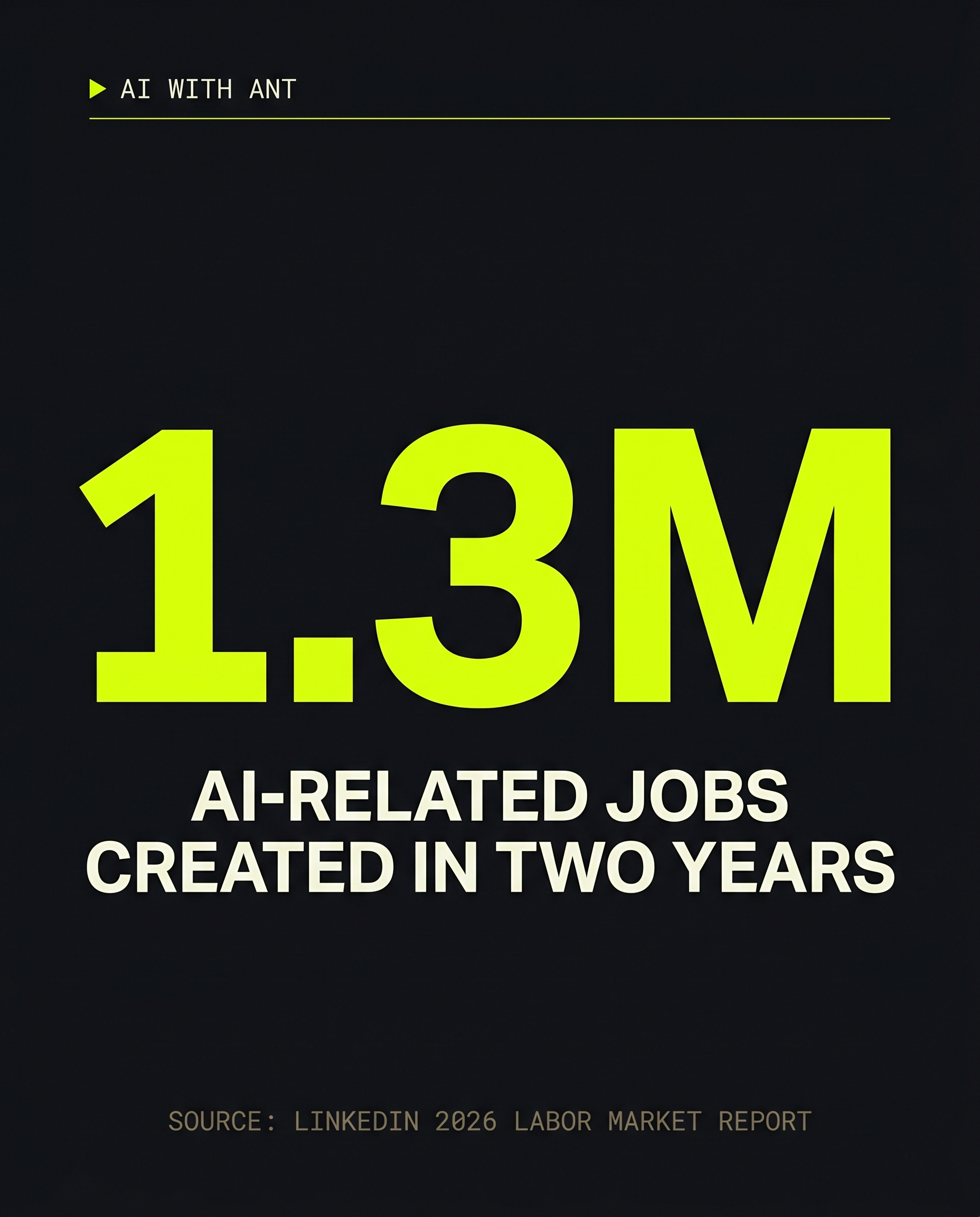
LinkedIn’s 2026 Labor Market Report puts it at at least 1.3 million AI-related roles created in the last two years — data annotators, AI engineers, forward-deployed engineers. Jobs that barely existed five years ago. That’s not the shape of a technology that erases work. It’s one that reshuffles it upward.
Here’s the part you only see from inside the work: when every team runs the same agents on the same training data, the output converges. Sameness is the default setting of an agent economy — and sameness is what makes difference expensive. The slop is already everywhere. The scarce thing is the person who can frame the problem, judge the output, and push it past what the model would do on its own.
The mechanism
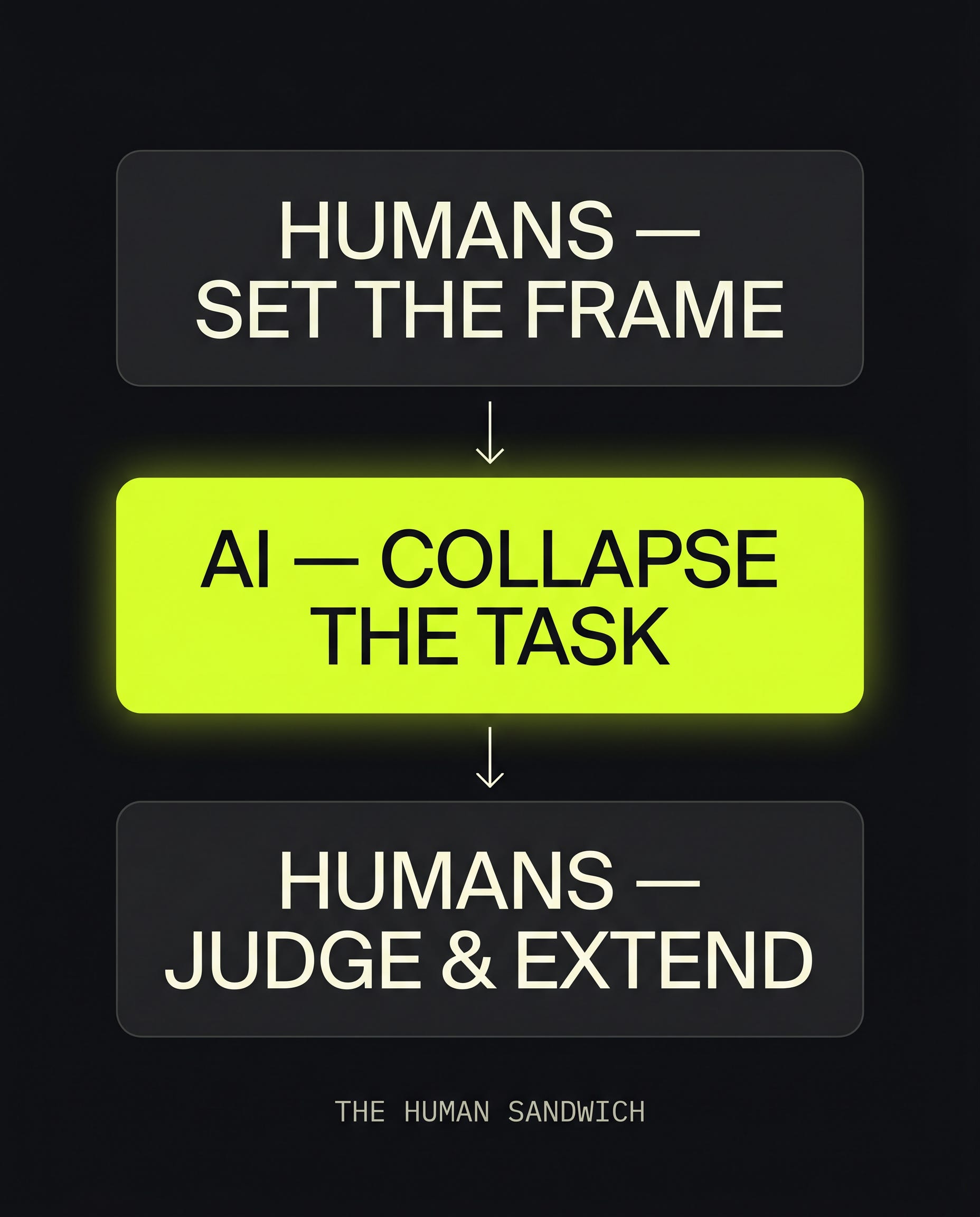
Here’s how the work actually restructures. Call it the human sandwich.
Humans set the frame → the agent collapses the task → humans judge and extend the result. You’re not cut out of the workflow. You move to both ends of it, as the decision layer. IBM Research keeps landing on the same result: human-AI teams beat either the human or the agent alone.
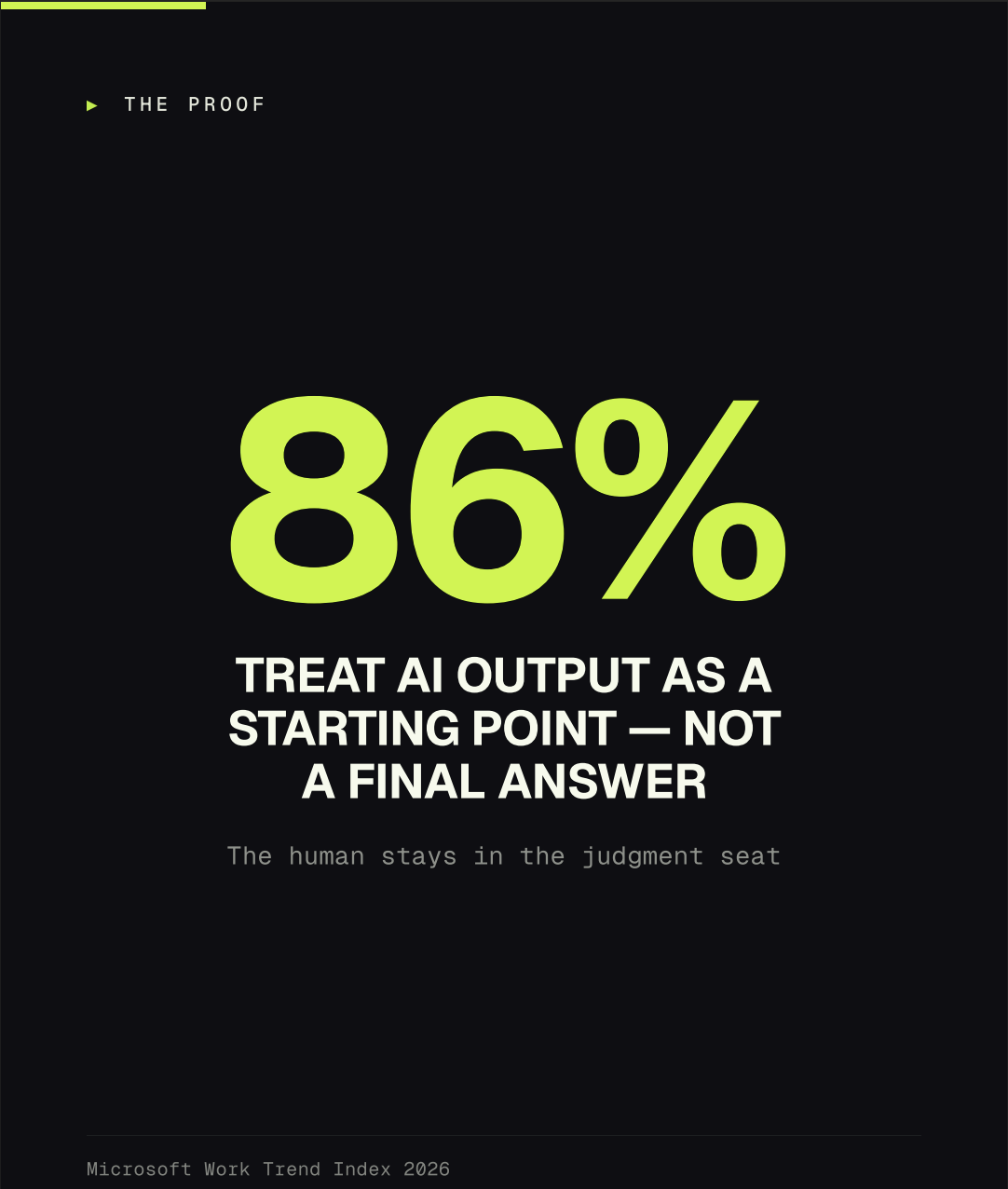
And the people doing the work already behave this way. In Microsoft’s 2026 Work Trend Index, 86% of AI users say they treat AI output as a starting point, not a final answer. The judgment seat doesn’t empty out as the models get better. It gets busier.
Three forces sit underneath this:
Shared agents beat personal agents. The every.ai team learned it the expensive way — solo agents break constantly, and the upkeep lands on one person. Agents wired into a team’s workflow are where the return actually shows up. The unit of leverage is the team, not the seat.
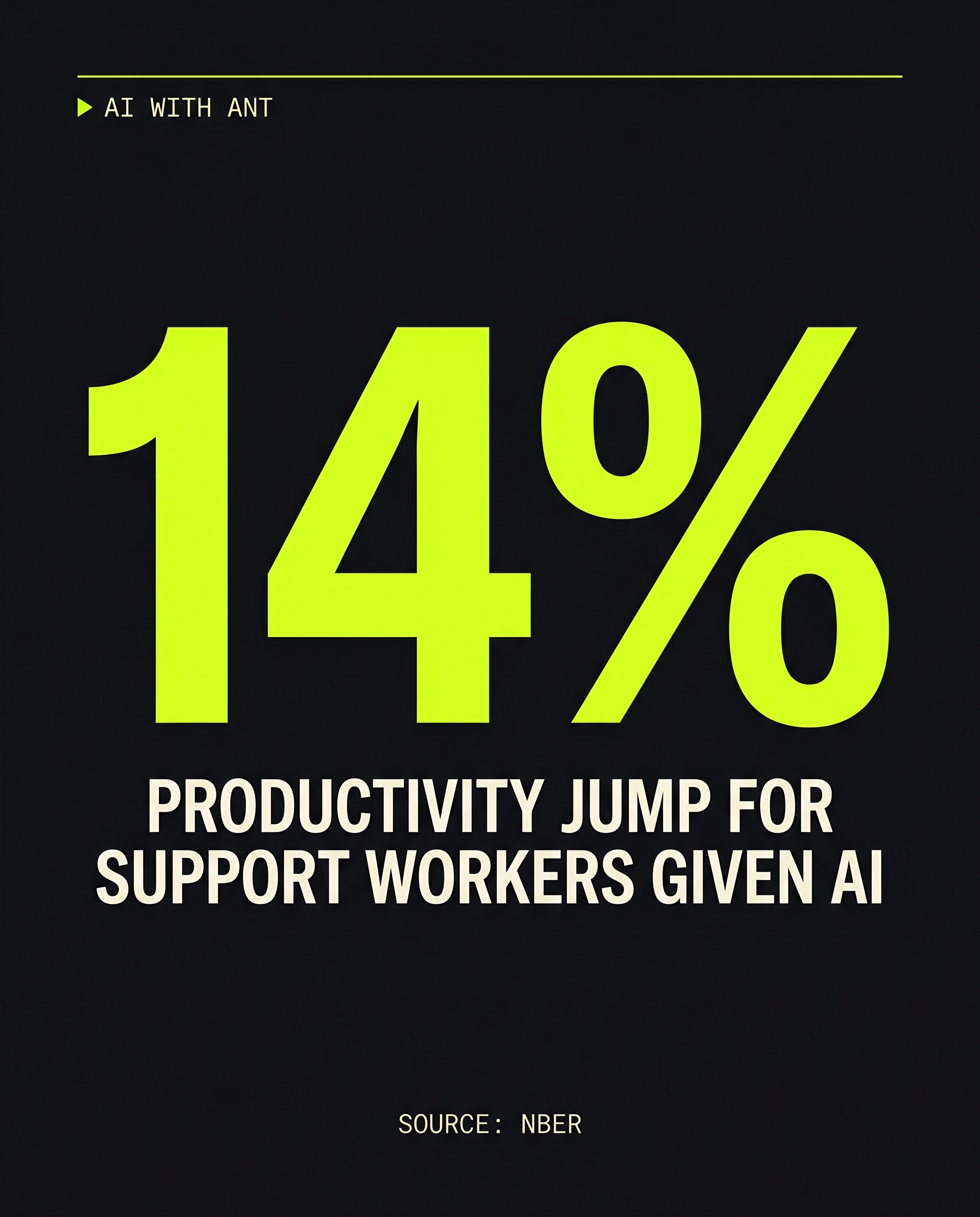
The floor rises before the ceiling does. An NBER study of customer-support reps given agent access found a 14% productivity gain — concentrated among the average and newer workers, not the stars. Agents close the gap between your best people and everyone else, which frees your best people for the work only they can do.
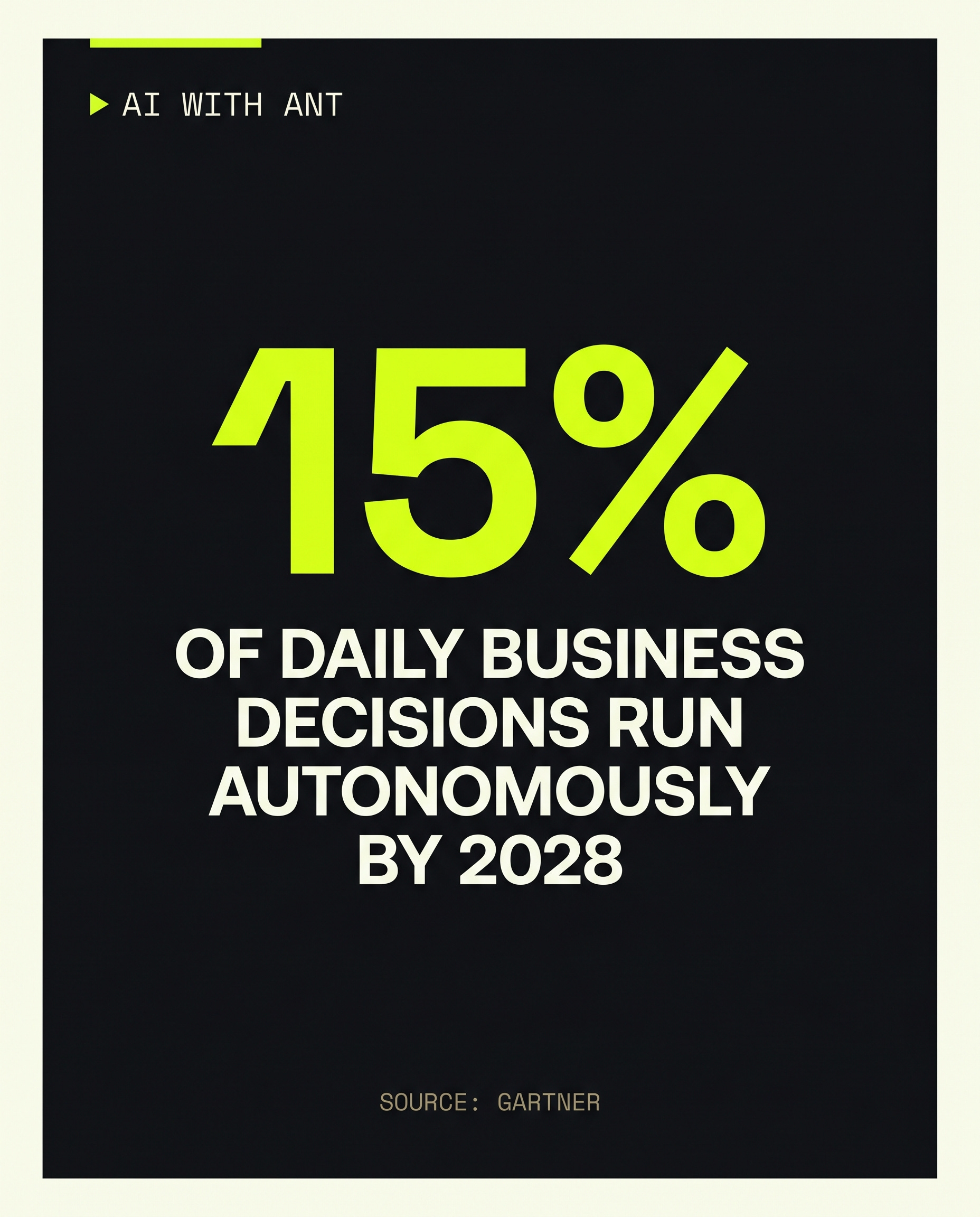
Delegation scales. Gartner projects that by 2028, 15% of day-to-day business decisions will run autonomously. That’s not replacement — it’s delegation, the move every good leader already makes. The question shifts from “will an agent decide this” to “which calls do I hand off, and how do I check the work.”
Who wins, who loses, what to watch
Who wins: Teams that build the human skill of steering agents — framing, judgment, extension. Operators who run agents as a system, not a feature they switched on.
Who loses: Companies optimizing for headcount reduction alone. They hit the efficiency ceiling, ship the same converged output as everyone else, and wonder why the savings never turned into growth.
What to watch (6–12 months): Whether the net-new AI roles in the LinkedIn and Microsoft data keep compounding or flatten. Climbing confirms the delegation thesis. Hiring stalling while agent spend climbs hands the replacement camp its evidence.
What this means for the operator
One decision this quarter: stop scoring your AI rollout by cost removed. Score it by decisions delegated and floor raised.
Concretely — take one workflow your team already runs. Mark where a human sets the frame, where the agent collapses the task, where a human signs off. Make that agent shared, not personal. Then watch whether your average performers move up. That number tells you more than any efficiency metric will.
Efficiency is table stakes. Growth is the game.
Your artifact this issue: the human-sandwich frame — humans frame → agent collapses → humans judge and extend. Run it on one workflow this week.
Subscribe for more field notes from inside the work — where AI runs as an operating system, not a chat window.
— Ant